ZtM Speakers · RAUM Stage Pillar | Reconstructing the ITDG Timing Standard, Reshaping the 3D Music Stage
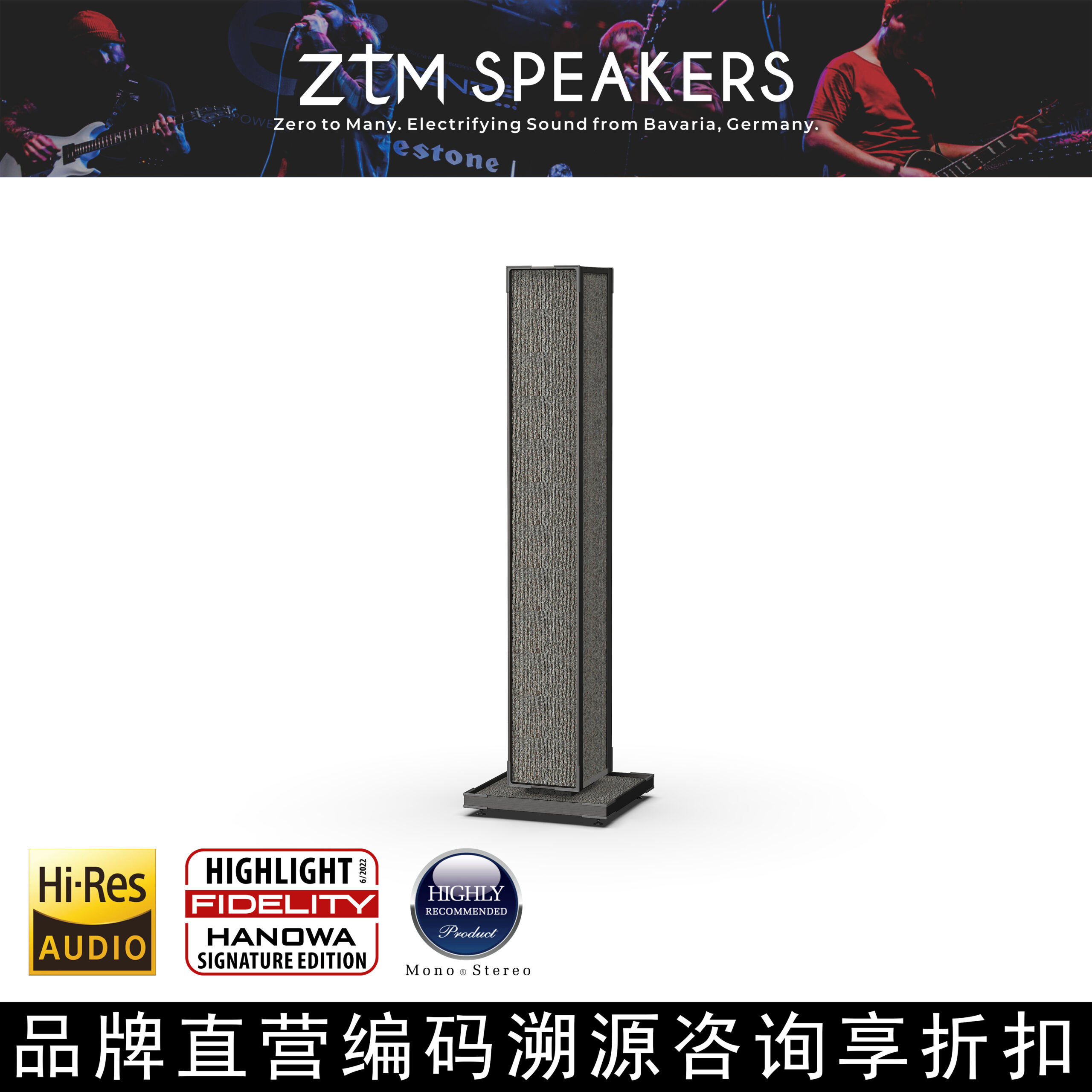
350mm x 350mm x 1450mm(WxDxH)
Following the release of the acoustic benchmark Time Gate, ZtM Speakers delves deeper into the core logic of indoor time difference (ITDG) sound fields, launching a brand-new acoustic tuning component—the Stage Pillar. Breaking through the limitations of traditional diffusion and absorption modules with their single function, it redefines the time, layering, and spatial depth of a stereo sound field with a five-sided composite acoustic structure, providing a more precise and full-bodied stage reproduction solution for high-end private concert halls and professional listening rooms.
While the Time Gate focuses on multiple reflections at fixed points on the walls to optimize the fundamental sound path time difference, the Stage Pillar builds upon this foundation with a comprehensive upgrade. Its unique five-sided differentiated acoustic design, with each side performing its specific function, precisely controls the ITDG time interval, deconstructs the sound reflection sequence, and solves pain points in conventional listening environments such as a thin sound field, blurred instrument positioning, and loose vocal imaging. The product’s two elongated side panels are twice the thickness of the front and back panels. This thick acoustic medium extends the sound wave transmission path, creating a longer sound path difference and precisely separating the spatial intervals of instruments in the left and right channels. This allows orchestral instruments, vocals, and percussion to have independent, non-overlapping sound points, fundamentally optimizing the lateral width of the stereo soundstage.
The front and back panels utilize a lightweight acoustic structure responsible for constructing a nuanced soundstage layering. The reflection timing and the “space-time gate” (or similar feature) create a differentiated and complementary effect. The front panel receives the direct sound waves from the speaker, gently separating mid-to-high frequency reflections to reproduce the singer’s precise lip movements and details. The back panel works in conjunction with the wall-mounted “space-time gate” to create secondary and tertiary multi-layered reflections, extending the vertical depth of the soundstage. This allows for a complete reproduction of the original studio reverberation, eliminating the problems of sound being too close to the wall or a flat soundstage. The integrated chassis features a dedicated reflector platform that supplements the low-frequency reflection path downwards, giving the soundstage a stable and rich underlying overtone, making the low-frequency foundation of symphonic music and the deep bass extension of jazz more tangible.
The Stage Pillars offer two classic placement options to suit different listening spaces. The first is a three-pillar wall-mounted layout, with the three pillars placed approximately one meter from the side wall. The two pillars on the left and right enhance the lateral positioning of instruments, while the central pillar stabilizes the central axis imaging, ensuring vocals are centered, stable, and without drift. Subtle nuances such as lip movements and breaths are clearly revealed, significantly enhancing the sense of vocal presence. The second placement is at the first reflection point of the speaker, with a 20cm gap from the wall. Sound waves are buffered by the pillars before spreading, simultaneously pushing the limits of lateral soundstage extension, dynamic range, and vertical depth. Even with large-scale orchestral pieces, there is no soundstage congestion or dynamic compression.
Compared to single-function acoustic modules, the Stage Pillars combine time-difference control, layering, and multiple reflections—three core capabilities. When used in conjunction with the Time Gate, it forms a complete spatial acoustic system, precisely calibrating the ITDG time interval, eliminating unwanted sound reflections, and restoring the true scale of the recording studio. Without the need for complex acoustic modifications, a top-tier listening experience with precise imaging, distinct layers, and expansive depth can be achieved simply through placement. It is the core acoustic tool in the private concert hall creation project to perfect the three-dimensional sound field and replicate the original stage.